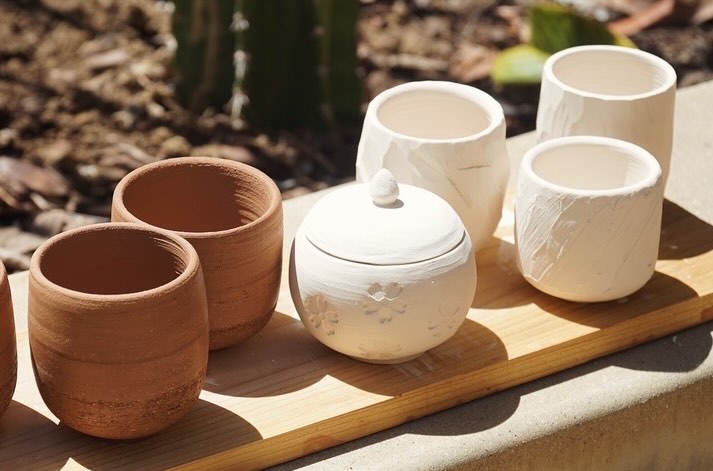
One-Time Pottery Group Class
1.5 hrs
The best starting point. Try wheel throwing and hand-building in one session. Make 2 pieces, no experience needed.

Join our mailing list for pottery and traditional arts & craft workshops, events and exhibitions in irvine
JoinThinking about trying pottery but not sure what to expect? This guide covers everything you need to know before your first class, from what to wear to what you'll actually make. It's easier, messier, and more fun than you think.
Book Your First Class →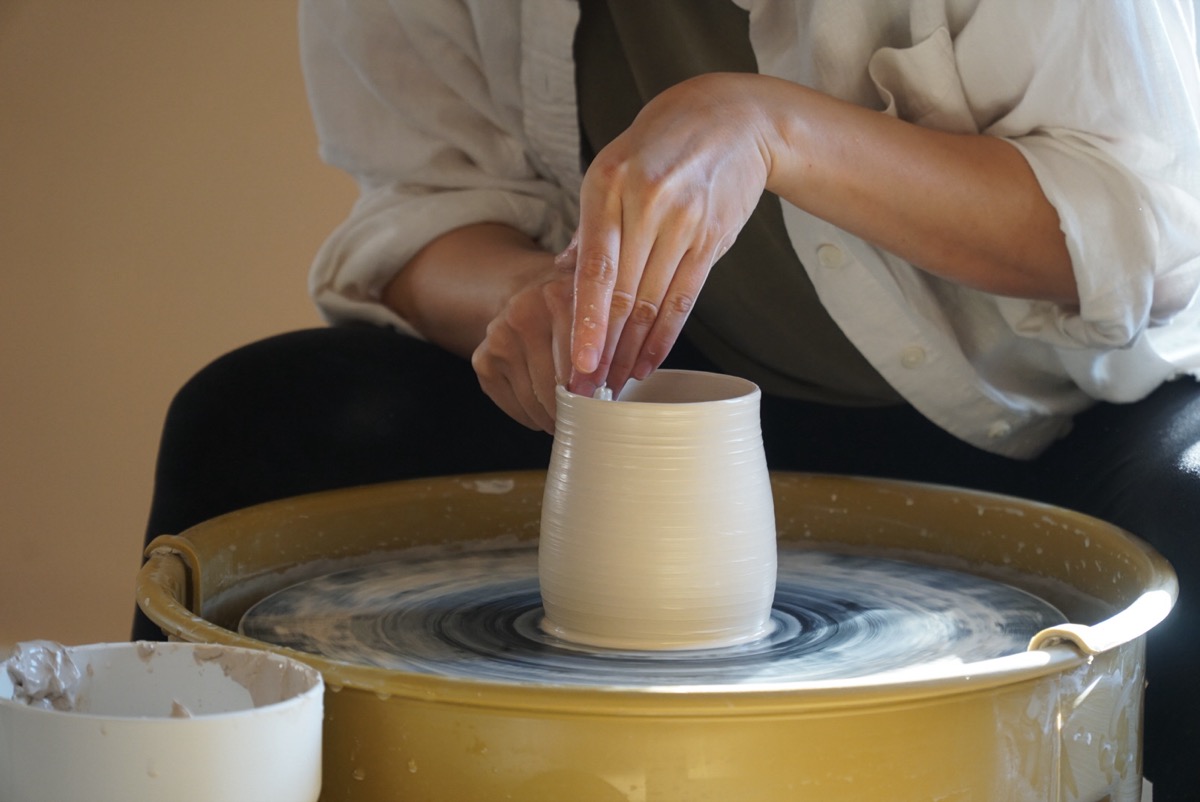
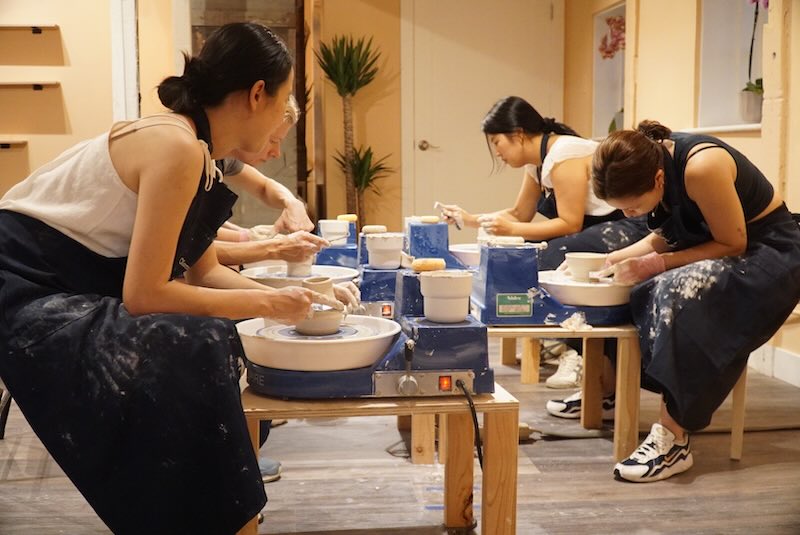
You arrive, grab an apron, and sit down at a pottery wheel or hand-building station. Your instructor starts with a quick demo showing you how to center clay, shape a form, and use basic tools. Then you try it yourself, with the instructor right there to help.
In our 1.5-hour group class, you'll spend about half the time on the wheel and half hand-building. On the wheel, you'll learn to center clay and pull up a simple form: a cup, bowl, or small vase. At the hand-building station, you might make a pinch pot, a textured plate, or something more sculptural. By the end, you'll have 2 finished pieces.
The atmosphere is relaxed and social. You'll be in a small group, everyone at a different level of chaos with their clay, and the instructor keeps things light. Less art school, more fun evening out with friends.
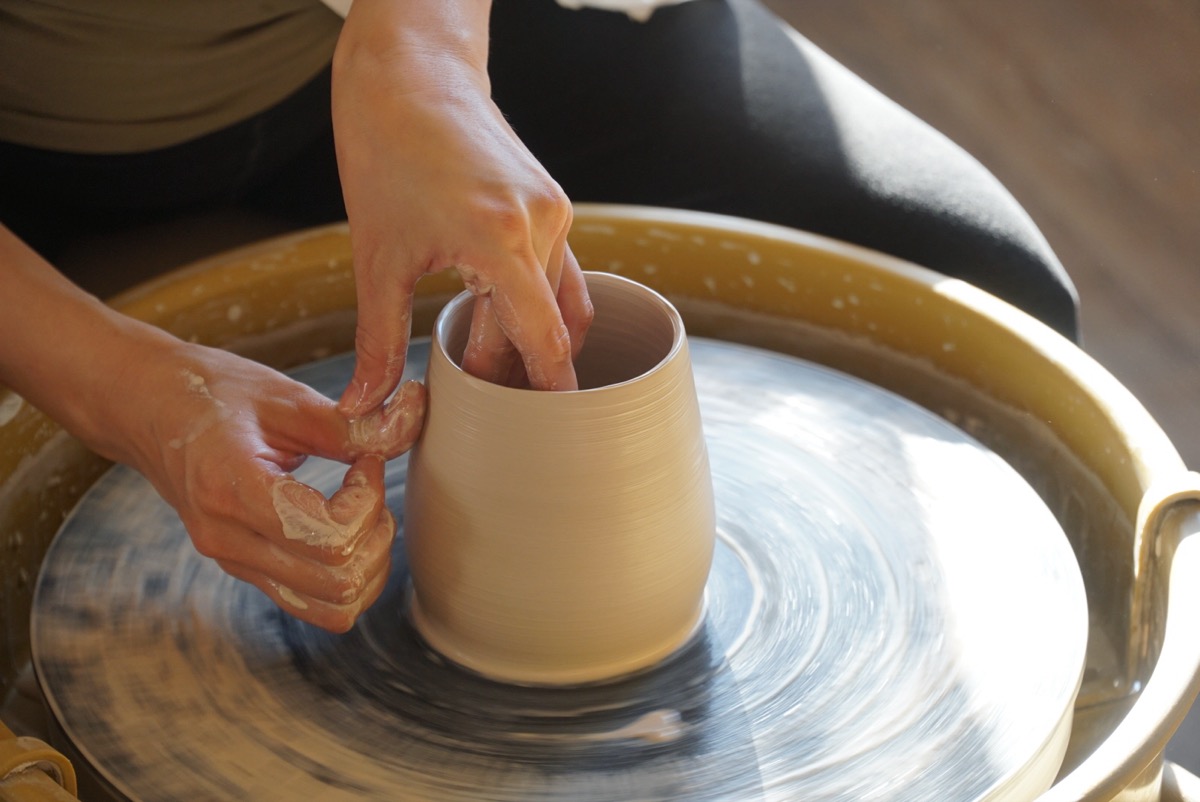
Comfortable clothes you don't mind getting clay on. Avoid loose sleeves. We provide aprons.
Nothing. We provide all clay, tools, and materials. Just bring yourself.
Our one-time group class is 1.5 hours. Arrive a few minutes early so you're settled when class begins.
Pick up your finished pieces in 4 to 5 weeks. They're ready to use at home.
Wheel throwing is what most people picture when they think of pottery: a spinning wheel, wet clay, and your hands shaping a symmetrical form. It's meditative and satisfying, though it takes practice to get the hang of centering. In your first class, expect some wobble. That's completely normal and part of the learning.
Handbuilding is more intuitive. You shape clay using your hands and simple tools: pinching, coiling, pressing into molds, or rolling out slabs. It's great for more organic, sculptural forms and tends to feel more immediately accessible to beginners.
Our beginner class includes both so you can experience each technique and discover which one you connect with. Many people end up loving whichever one they expected to like less.
“The matcha bowl workshop was such a cool experience. Eric walked us through every step with hands-on guidance. Fun for a first-timer but challenging enough to keep it interesting.”
Christine N.
Yelp
“My husband surprised me with a couples pottery class for our anniversary. Neither of us had done pottery before and we were so pleasantly surprised. Such a fun, creative experience together.”
Samantha D.
“I had such a wonderful time at Christina's pottery class! She was super nice, patient, and made the whole experience so enjoyable.”
Olivia M.
The best starting point. Try wheel throwing and hand-building in one session. Make 2 pieces, no experience needed.
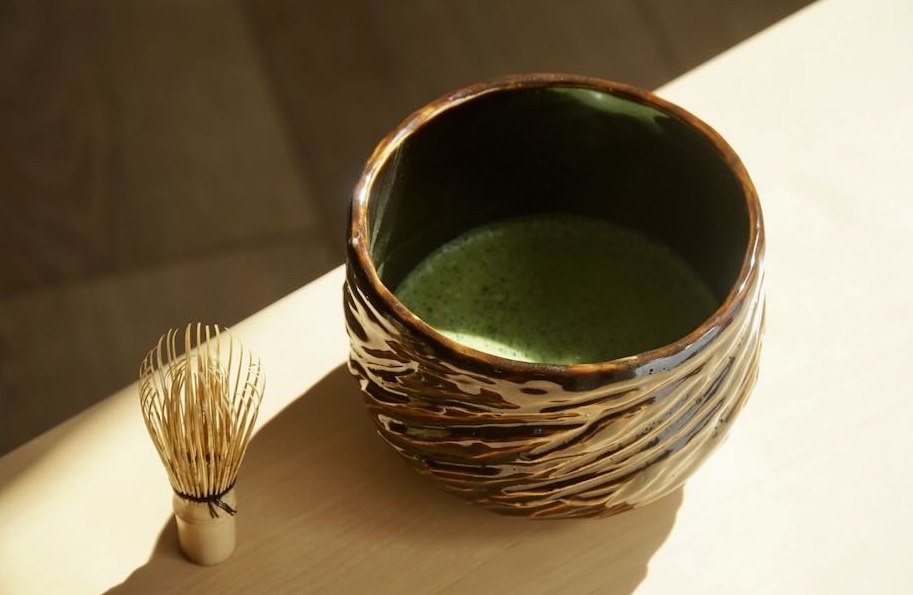
A deeper hand-building experience. Carve a matcha bowl inspired by Japanese pottery traditions. Great for beginners who want more time with clay.
Learn pottery fundamentals over 4 guided sessions. Perfect if you want to build real skills week by week.
Your first class is waiting. No experience needed, just curiosity and a pair of hands you don't mind getting messy.